CASE STUDY
Restoring a 1930s K6 telephone box
The short answer
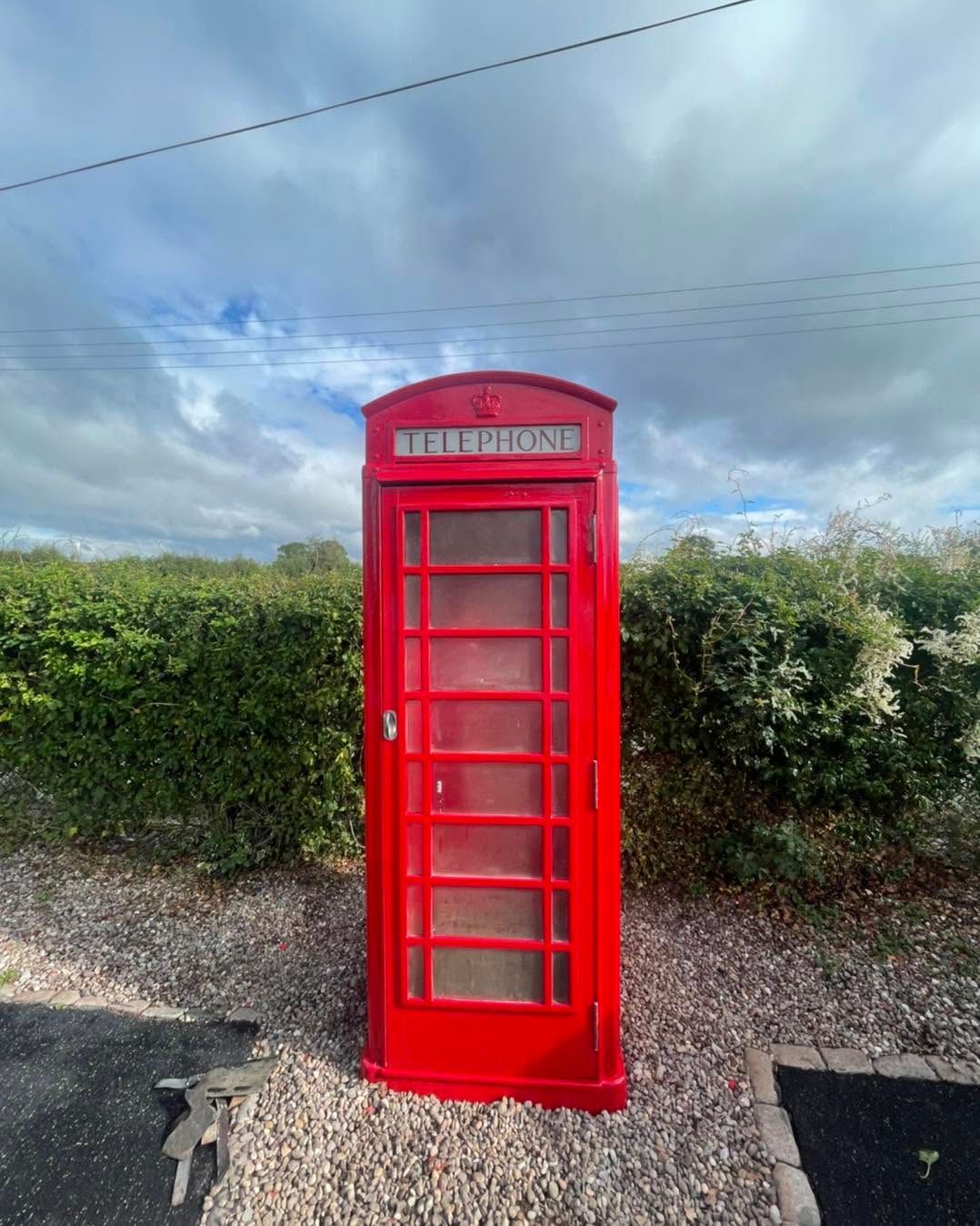
I restored a 1930s K6 cast iron telephone box in Newstead that had flaking paint, surface rust and frosted panels. I sanded it back, filled the damage, then undercoated and glossed it inside and out, and removed the frosting for the customer. The box now has a deep, even red gloss and clear panels ready for polishing.
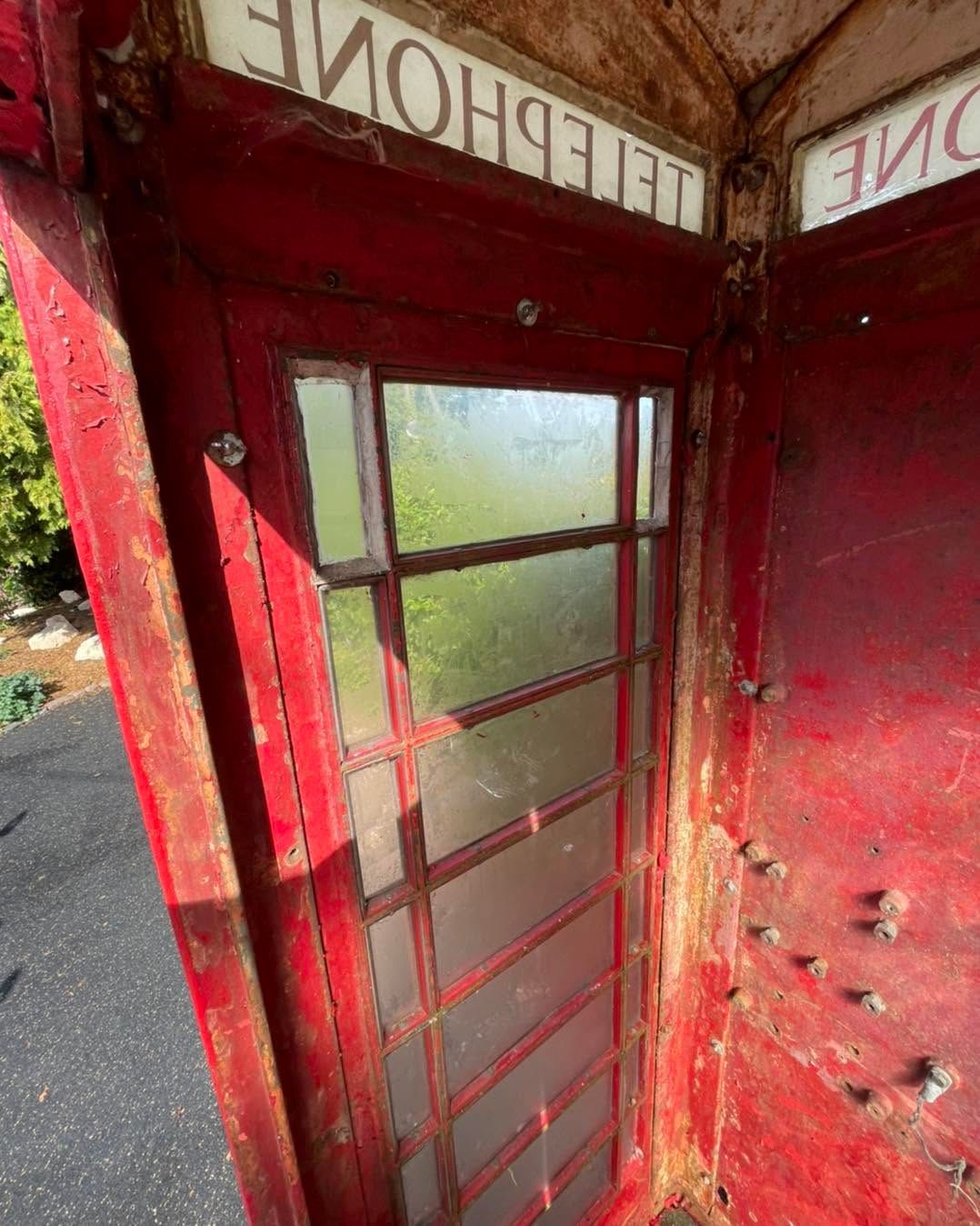
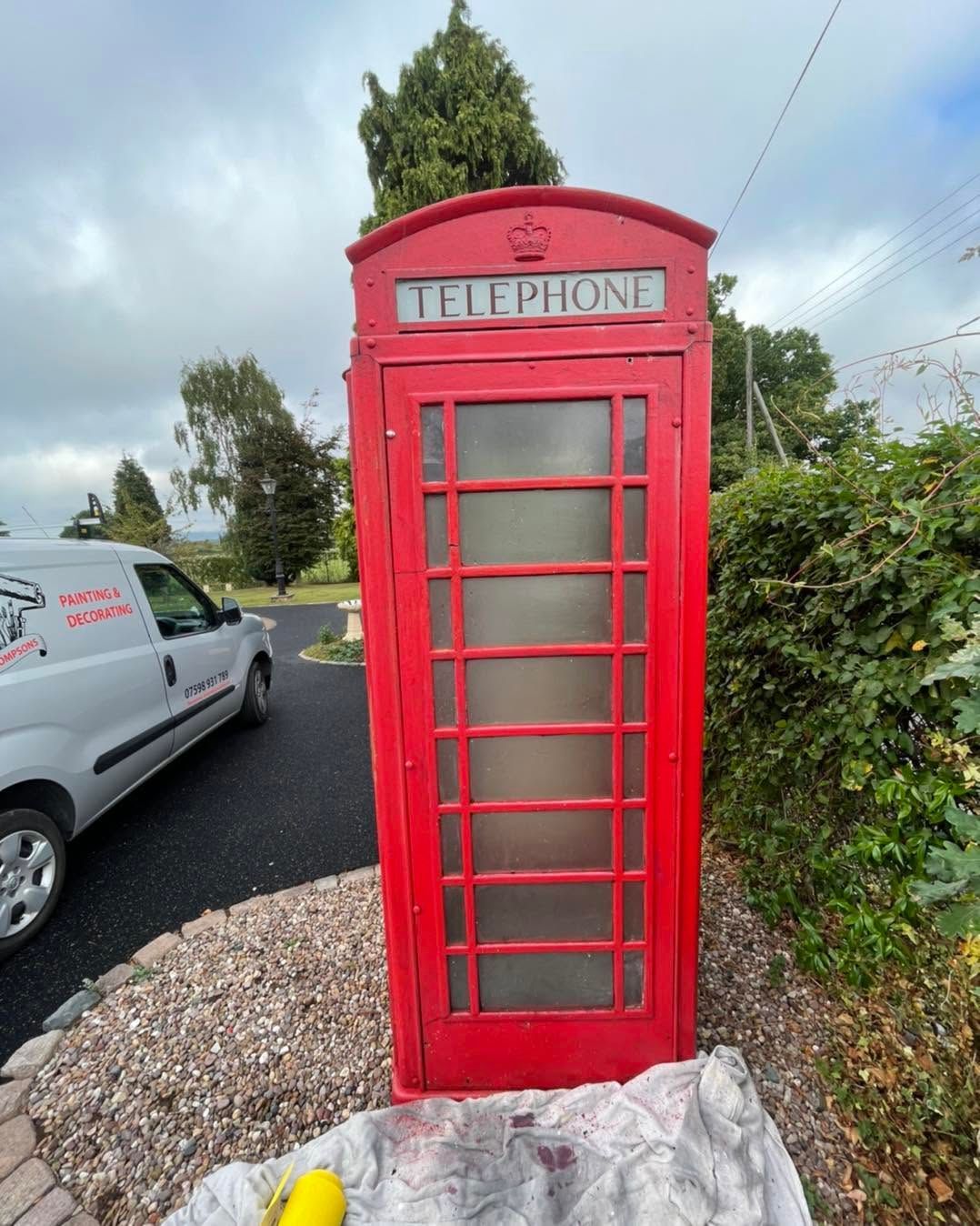
before
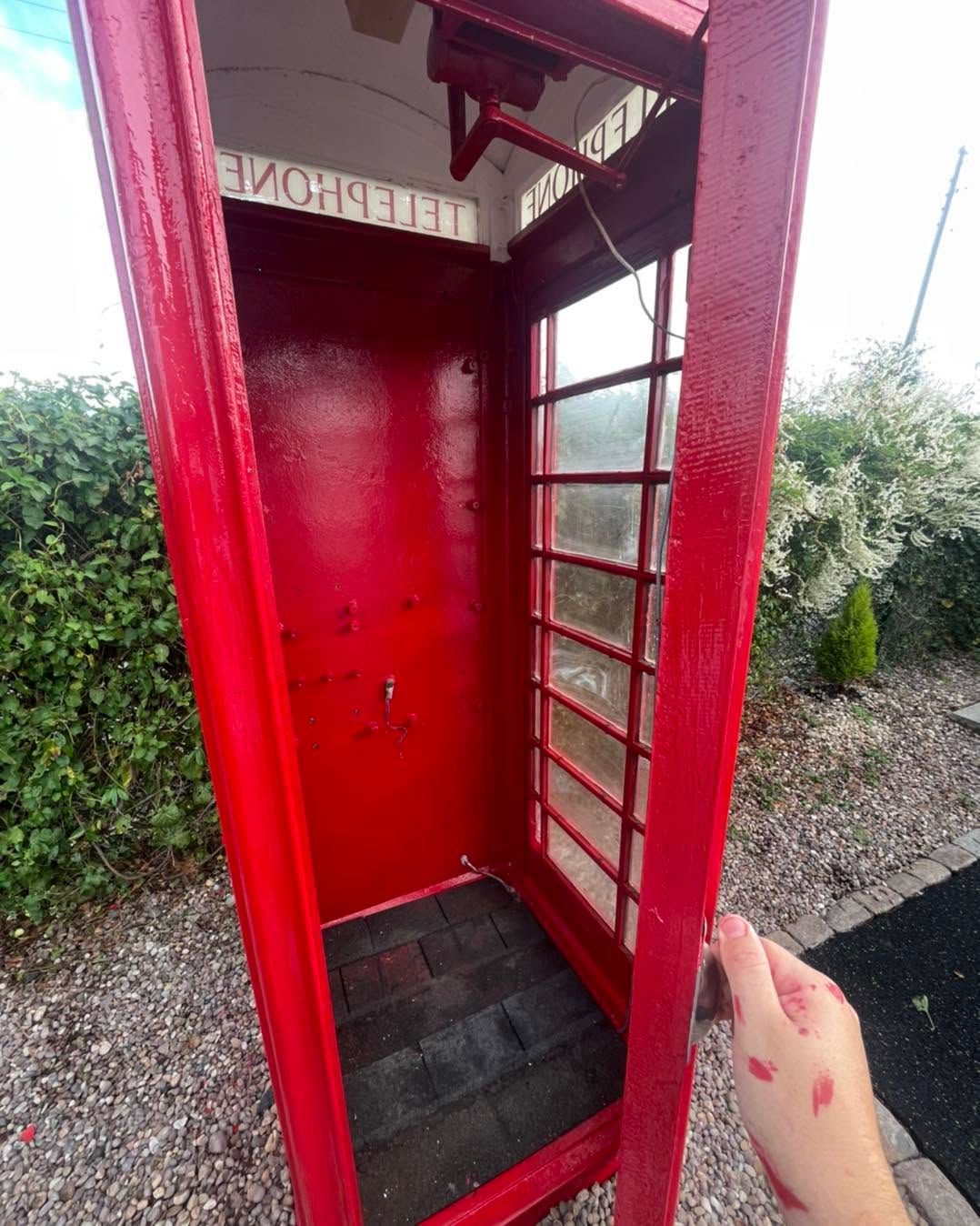
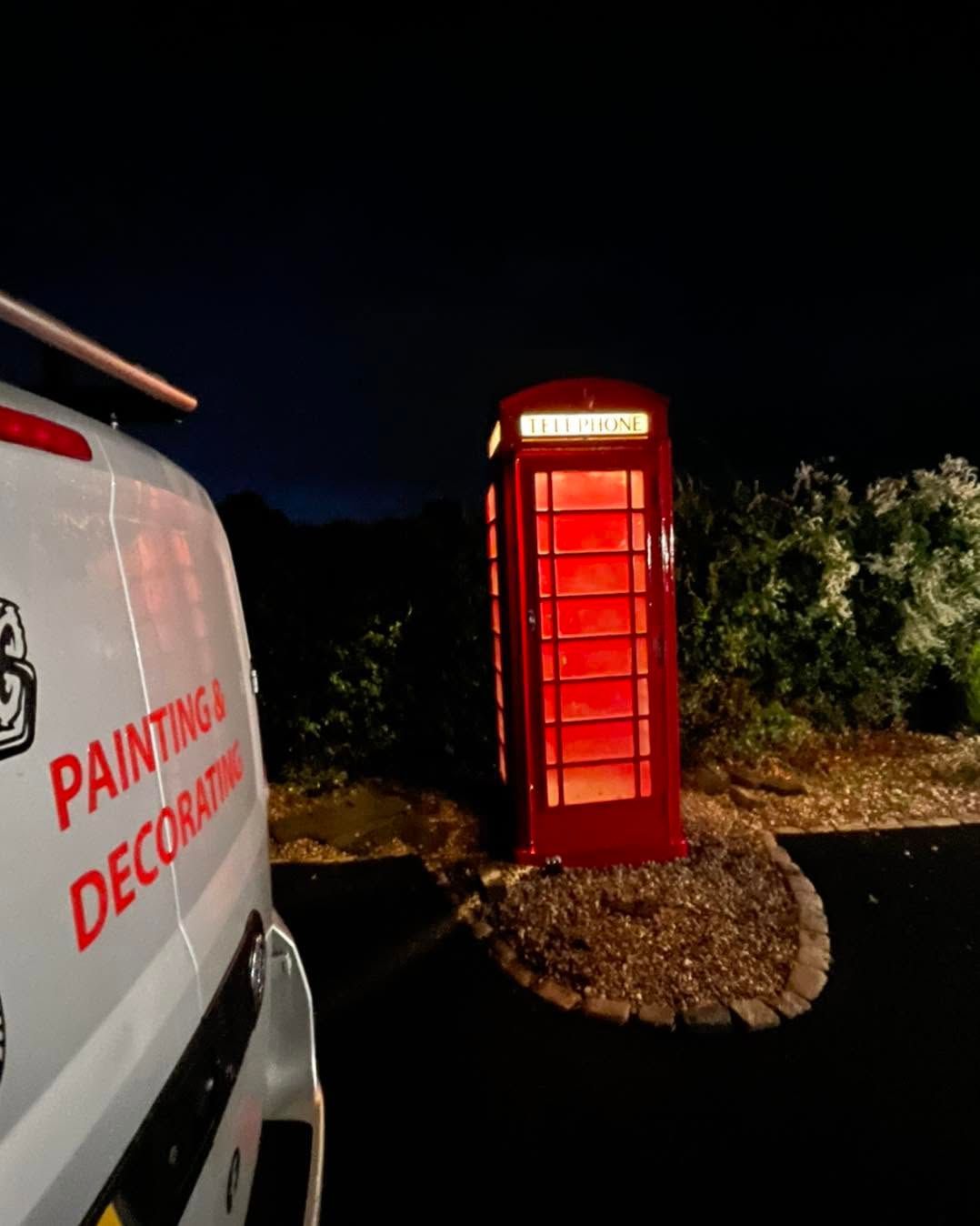
AFTER
Location
Newstead
Property
1930s K6 cast iron telephone box
Service
Exterior painting, heritage restoration
Level of work
Full redecoration
Duration
4 days
Products
Johnstones oil based
What did the customer need?
The customer wanted their 1930s K6 telephone box brought back to its original bright, glossy red. The K6 is the classic red kiosk designed by Sir Giles Gilbert Scott in the 1930s, and this one had clearly seen decades of weather. The customer asked for a full repaint inside and out, not just a quick freshen-up of the outside. They also wanted the frosting removed from the panels so the box would look clear rather than cloudy. Their plan is to have the Perspex panels polished afterwards to finish the look.
What condition was it in?
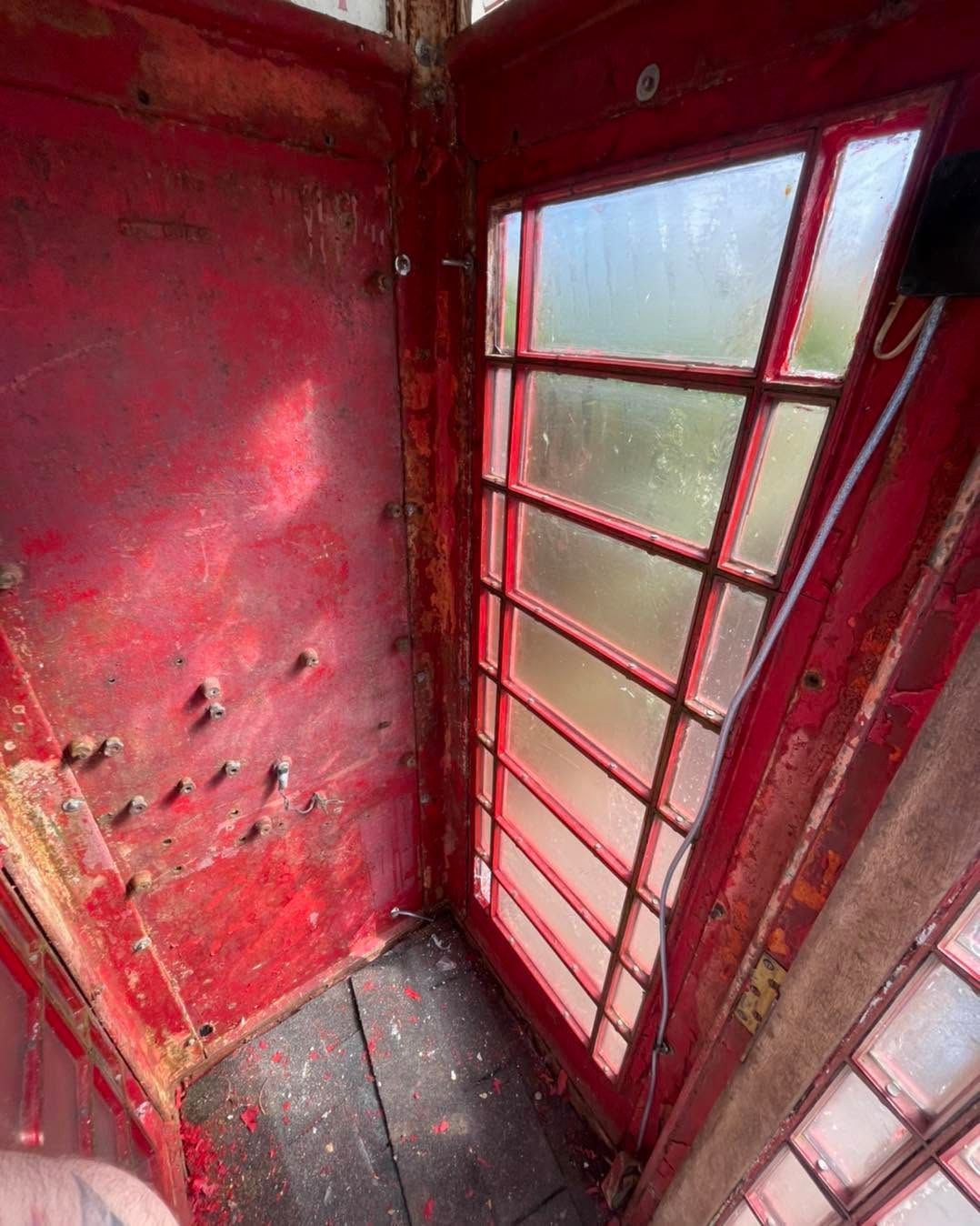
The box was sound structurally, but the paint had failed badly, especially inside. On the interior, old paint was flaking and peeling away from the back panel, the door frames and the glazing bars. There was surface rust on exposed cast iron around the frames, fixings and corners, with bare metal showing in places. Outside, the red had faded and dulled, and there were chips around the roof and sign surrounds. The panels were frosted, which made the box look cloudy from both sides.

What preparation was needed?
This job needed full preparation back to a sound surface before any paint went on. It was a Full redecoration rather than a Refresh, because the old paint had failed and rust had started, so a fresh top coat alone would not have lasted.
1
I laid dust sheets to protect the gravel and surrounding area.
2
I sanded back every surface inside and out, removing loose, flaking paint and surface rust.
3
I filled chips, pits and damage in the cast iron where needed, then sanded the filler smooth.
4
I applied undercoat, a base coat that seals the surface and helps the gloss grip and look even.


Which paints and materials were used?
I used an undercoat followed by a high-gloss red finish, applied inside and out. The undercoat was Johnstones oil based undercoat and the gloss was Johnstones oil based red. Gloss is a hard-wearing, high-shine finish that suits cast iron outdoors, as it sheds rain and is easy to wipe clean. I used filler for the repairs to the cast iron. I also removed the frosting from the Perspex panels, as the customer requested, by removing all the film on them using sticky stuff remover. The customer is now arranging for the Perspex to be polished to bring back full clarity.
What was the result?
The K6 box now has a deep, even red gloss that brings back the look it would have had in the 1930s. The finish picks up the light across the domed roof, the crowns and every glazing bar. Inside, the walls, frames and fixings are a clean, solid red with no flaking or rust showing through. With the frosting gone, you can see right through the panels. When the box is lit at night, it glows through the clear panels and makes a real feature of the garden.

Questions about this job
How long did the job take?
The restoration took 4 days. That included sanding back, filling, undercoating and glossing inside and out, plus drying time between coats.
Can an old cast iron telephone box be repainted?
Yes, cast iron takes paint well as long as the preparation is right. Loose paint and rust need sanding back first, and any damage needs filling. An undercoat then gives the gloss a sound base to grip.
Can you remove the frosting from telephone box panels?
Yes, I removed the frosting from the panels on this box at the customer's request. It leaves the panels clear, so you can see through them and light shines out at night. Polishing the Perspex afterwards helps restore full clarity.